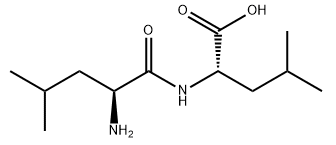
Dipeptide / H-LEU-LEU-OH
CAS No: 3303-31-9
Alisa: H-LEU-LEU-OH;leu-leu free base;N-L-leucyl-L-leucine;(S)-2-[[(S)-2-Amino-4-methylvaleryl]amino]-4-methylvaleric acid;Leu-Leu-OH;L-Leu-L-Leu-OH;L-Leucine, L-leucyl-;LEU-LEU
MF: C₁₂H₂₄N₂O₃
MW: 244.33
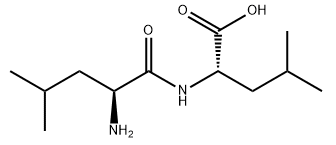
It's a dipeptide composed of two L-leucine molecules connected by a peptide bond.
Appearance: white to off-white powder
Melting point: 270 - 272℃ (decomposition)
L-Leucine dipeptide (Leu-Leu-OH) is a dipeptide formed by the connection of two L-leucines through a peptide bond. It plays multiple important roles in both physiological and industrial fields.
1. Promote muscle growth and recovery
L-leucine is one of the branched-chain amino acids (BCAA), and as its dimer form, L-leucine dipeptide can be more efficiently absorbed by the intestines and slowly release leucine in the body, continuously activating the mTOR signaling pathway, thereby promoting protein synthesis and inhibiting muscle breakdown, which is helpful for muscle repair and growth after exercise.
2. As a prodrug carrier for achieving targeted therapy
This dipeptide is a specific substrate of leucine aminopeptidase (LAP), and LAP is highly expressed in various tumor cells. Therefore, by coupling anti-cancer drugs with the Leu-Leu structure, a "prodrug" can be constructed. It will be selectively hydrolyzed in the tumor microenvironment to activate and achieve precise drug release, thereby enhancing efficacy and reducing systemic toxicity.
3. Nutritional Supplementation and Metabolic Regulation
Due to its small molecular weight and superior stability compared to free amino acids, L-leucine dipeptide can be used as a component in functional foods or enteral nutrition preparations to improve malnutrition, alleviate fatigue, and combat sarcopenia (muscle atrophy), especially for the elderly or postoperative patients.